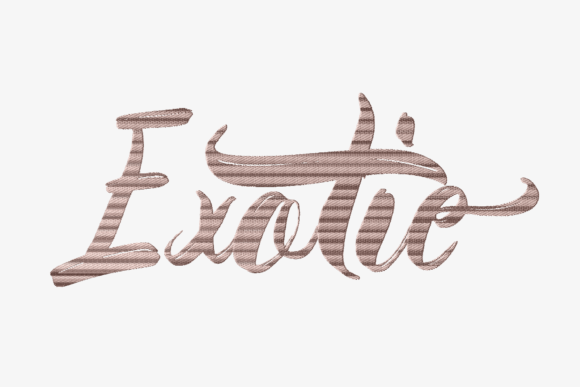
Exotic Lettering Review
As a designer and embroidery product reviewer, I often find myself evaluating machine embroidery designs for real-world use. Exotic Lettering is one such design that caught my attention for its unique aesthetic and potential to elevate various projects. Let me walk through my thoughts on how this design performs in practical scenarios.
The First Impression: A Design That Evokes Wanderlust
Exotic Lettering immediately gives off a sense of adventure and sophistication. The shapes are fluid, the lettering has a handcrafted feel, and the overall layout feels like it belongs on a travel quote or a personalized keepsake. It’s not just a design—it’s a mood. The visual personality leans toward whimsy with a touch of elegance, making it ideal for handmade products that aim to tell a story.
This design works best on custom apparel, tote bags, or baby items where the message needs to stand out without being too bold. Its exotic theme suggests something special, which can make a finished product feel more valuable to customers.
Real-World Embroidery Scenarios: Where Exotic Lettering Shines
When I consider using Exotic Lettering on a sweatshirt or a tote bag design, it feels right. The lettering is detailed enough to be noticeable but not so intricate that it becomes overwhelming. It would look great on a lightweight fabric like cotton or linen, where the embroidery can show off its texture without being buried under layers.
For a small shop product or an Etsy listing, this design could serve as a strong visual anchor. It’s versatile enough to work on both casual and semi-formal items. Whether it’s a personalized gift for a traveler or a boutique brand’s signature piece, Exotic Lettering has the potential to make a lasting impression.
I also see it working well on embroidered patches, aprons, and even holiday gifts. Its exotic flair adds a unique touch that can differentiate a handmade product from mass-produced alternatives.
Where to Use Exotic Lettering Carefully
While Exotic Lettering is visually appealing, there are some limitations. On small hoop sizes, the design might feel cramped, especially if the lettering is too detailed. Textured fabrics could also pose a challenge—some textures might interfere with the stitch clarity, making the design less defined.
Thin or stretchy fabrics may require extra stabilizer to prevent puckering or distortion. Dark fabrics might need a contrasting thread color to ensure visibility, and layered garments could complicate the stitching process. Additionally, if the design is used on curved surfaces like caps, the lettering might not lay flat as intended.
It’s important to test the design on different materials before committing to a project. Small details, like the corners of letters, should be inspected closely to ensure they’re not too delicate for the intended use.
Impact on Visual Appeal and Customer Perception
Exotic Lettering can significantly boost the visual appeal of a handmade product. When stitched correctly, it adds a level of sophistication that makes the finished item feel more premium. This can translate into higher perceived value for customers, especially when used on custom apparel or personalized gifts.
From a branding perspective, this design can help maintain consistency across a product line. For example, a small business that sells travel-themed items could use Exotic Lettering as a recurring element in their embroidery projects, reinforcing their brand identity.
Customer trust and engagement often come down to presentation. A well-executed embroidery project with Exotic Lettering can enhance the professionalism of a craft business, whether it’s an Etsy seller or a boutique shop. It also makes the product more giftable, as the exotic theme can resonate with buyers looking for unique, meaningful items.
Practical Designer Notes: What to Consider Before Using Exotic Lettering
Before jumping into a project, I always recommend testing the design on scrap fabric. This helps identify any issues with stitch density, thread color contrast, or stabilizer needs. For instance, if the design uses a lot of satin stitch, it might require additional backing to prevent the fabric from stretching.
Check the hoop size required for the design. If it’s larger than what your machine can handle, you might need to split the design or adjust the layout. Also, review the file to ensure it’s compatible with your embroidery machine and software.
When considering commercial use, verify the licensing terms. Some designs may have restrictions on resale or modification, so it’s essential to confirm these before selling finished items or digital products.
Lastly, don’t forget to create printable mockups. These can help visualize how the design will look on different backgrounds and help you make informed decisions about thread colors and fabric choices.
Final Thoughts: Exotic Lettering as a Versatile Design Asset
Exotic Lettering is a machine embroidery design that offers both style and versatility. It’s not just a pretty set of letters—it’s a tool that can be used in a variety of creative projects. Whether you’re an Etsy seller, a craft business owner, or a hobbyist, this design has the potential to add value and uniqueness to your work.
With careful consideration of fabric type, hoop size, and stitch density, Exotic Lettering can become a staple in your design library. Just remember to test it thoroughly and use it where it will shine the brightest.