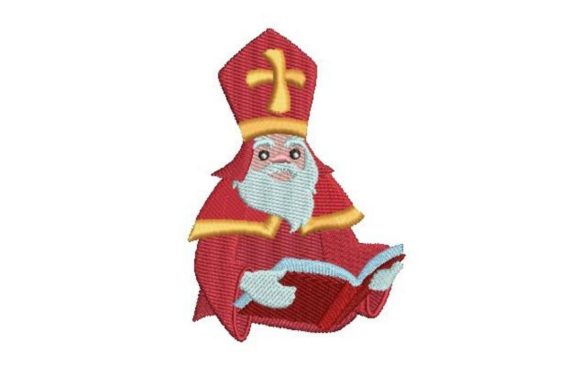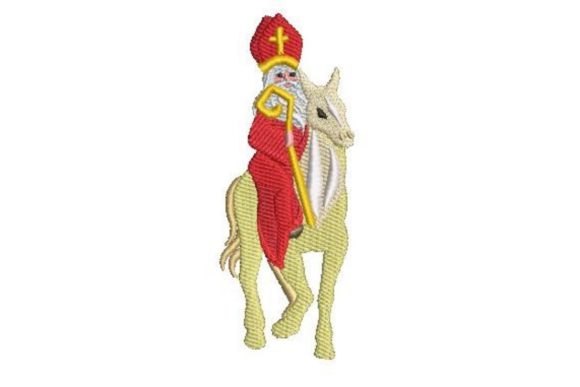
Sinterklaas on Horse
First Impressions of Sinterklaas on Horse
The Sinterklaas on Horse embroidery design immediately catches the eye with its festive and modern aesthetic. It blends traditional holiday imagery with a contemporary twist, making it ideal for small business merch and branded patches. The design feels professional yet approachable, offering a balance between bold and elegant that works well for both casual and upscale brands.
This machine embroidery design is versatile enough to fit into various seasonal campaigns, from holiday-themed apparel to custom tote bags. Its clean lines and strong visual presence make it suitable for embroidered patches, chest logos, and even sleeve details. Whether you're targeting a local bakery or an Etsy store, Sinterklaas on Horse can add a unique touch to your product lineup.
Real Business Use of Sinterklaas on Horse
As an embroidery designer, I’ve tested Sinterklaas on Horse on different fabrics and sizes to evaluate its performance in real-world scenarios. It works exceptionally well as an embroidered patch, especially when used on aprons, caps, and staff uniforms. The design maintains its clarity even at smaller sizes, which is crucial for businesses looking to create consistent branding across multiple items.
For small business merch, this embroidery file offers a high-quality finish that enhances the look of custom apparel. It’s also great for tote bag design, where the festive theme can attract attention and boost brand visibility. When used on work shirts or event merch, Sinterklaas on Horse adds a sense of professionalism and holiday spirit without overwhelming the overall look.
One of the standout features of this design is its adaptability. It can be incorporated into product packaging accents, customer gifts, and even printable mockups. This makes it a valuable addition to any embroidery shop or handmade brand looking to expand their offerings during the holiday season.
Where to Use Sinterklaas on Horse Carefully
While Sinterklaas on Horse is a strong design, there are certain applications where it may not perform as well. For instance, using it on small patch sizes could result in loss of detail, especially if the lettering is too fine. Similarly, applying it to cap fronts or curved surfaces might require some adjustment to ensure the design sits correctly on the fabric.
High stitch density can sometimes cause the design to appear too busy, so it’s important to review the thread colors and spacing before finalizing the project. If the fabric has a textured surface, the design may not show up as clearly as on smooth materials. Additionally, dark uniforms could make the embroidery less visible unless the thread colors are carefully chosen.
Businesses that plan to use this design on items that will be washed frequently should consider the durability of the embroidery. Using the right stabilizer and proper hoop size can help maintain the integrity of the finished product over time.
Impact on Brand Identity and Customer Engagement
Sinterklaas on Horse has the potential to significantly enhance brand identity. A well-executed embroidered patch or custom apparel with this design can increase customer trust and recognition. It adds a level of professionalism that resonates with buyers looking for quality handmade products or branded merchandise.
When used consistently across different items—such as apron embroidery, cap embroidery, and tote bag design—it creates a cohesive visual language that strengthens your brand’s presence. This is especially beneficial for small businesses aiming to build a loyal customer base through visual consistency.
Moreover, the festive nature of this design can boost buyer engagement, particularly during the holiday season. It serves as a conversation starter and can help differentiate your products from competitors. Whether you’re selling on Etsy or running a local boutique, Sinterklaas on Horse can be a powerful tool for attracting attention and driving sales.
Practical Tips for Embroidery Designers
Before finalizing any project with Sinterklaas on Horse, I recommend testing it in black and white first. This helps assess how the design looks on different fabric textures and ensures it meets your expectations. Checking the design at a small patch size is also essential, as it can reveal issues that aren’t apparent at larger scales.
Reviewing the thread color contrast is another critical step. Some designs may look good on paper but fail to stand out on actual fabric. Ensuring the spacing between elements is correct can prevent overcrowding, especially in high stitch density areas. Confirming the hoop size required for the design is also important to avoid unnecessary adjustments during production.
Testing the embroidery on real fabric and using the appropriate stabilizer can make a big difference in the final outcome. Creating a printable mockup for client approval helps set clear expectations and ensures the design aligns with your brand’s vision. Comparing it with other design assets allows you to maintain a balanced and cohesive look across all your products.
Finally, always confirm the commercial licensing terms before using Sinterklaas on Horse for business purposes. This ensures you have the right to reproduce and sell the design without legal complications.